
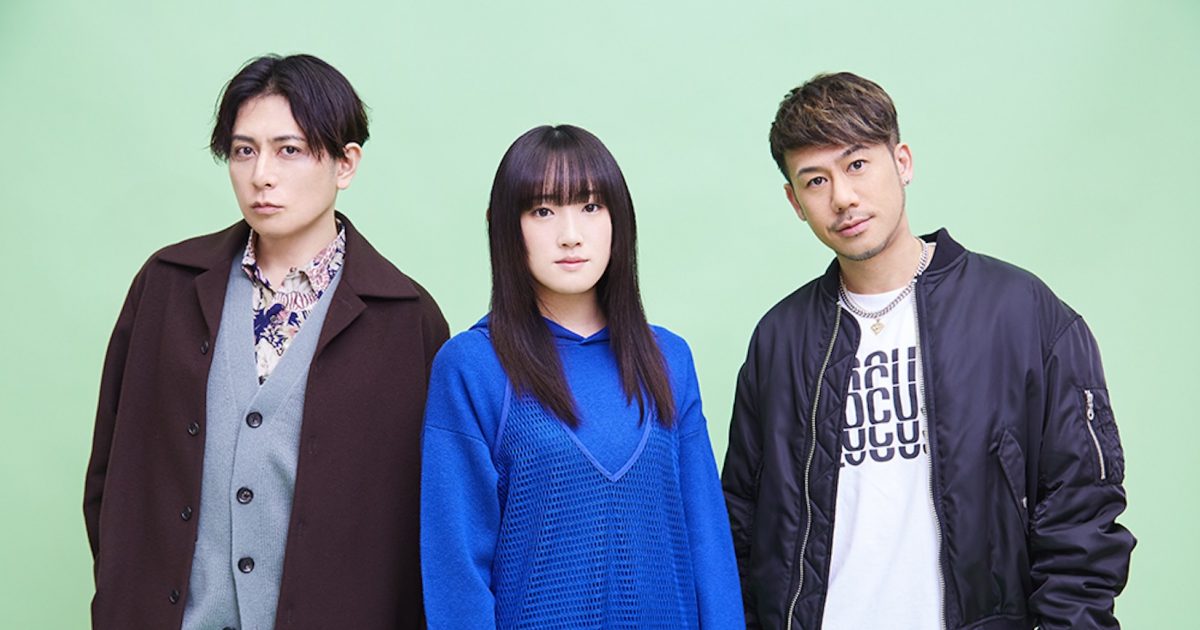
CHEMISTRY and Reina's "Beginning Together": The Resolve of That Moment, Thoughts on Song, and the "Never-Ending Poem" That Connects the Three
This interview was originally published in Japanese on thefirsttimes.jp. Translated by VK Chronicle.
CHEMISTRY Marks 20th Anniversary with Best Album Collaboration
CHEMISTRY has released their best album The Best & More 2001~2022 as a milestone conclusion to their 20th anniversary year. Featured on the bonus track is Reina, who recently took flight as an artist after winning the grand prize at THE FIRST TAKE STAGE, the one-take audition program hosted by the YouTube channel THE FIRST TAKE. With their first collaboration on “A Song That Never Ends (feat. Reina),” CHEMISTRY and Reina sit down for their first-ever joint interview. They discuss their mutual impressions, the track itself, and as fellow audition veterans, they share candidly about their mindsets when auditioning.
INTERVIEW & TEXT BY Yasue Matsuura PHOTO BY Nobuyuki Seki
Meeting Across Generations and Singing Together
Q: I’m sure many people were surprised by the combination of CHEMISTRY and Reina. First, before the collaboration on “A Song That Never Ends (feat. Reina),” what were your initial impressions of each other?
Kanahata Yo (hereafter Kanahata): From her teens, she’s been composing her own lyrics and singing with an acoustic guitar, so I was curious about what kind of music she’d been listening to—her roots, essentially. Then I learned she’s a fan of Takao Nagabuchi and respects Yutaka Ozaki, who I also listen to. While our genres seemed different on the surface, I realized we might actually be listening to similar music. Even though we’re from different generations, I felt a sense of kinship.
Dōchin Yoshikuni (hereafter Dōchin): I’ve also listened to artists like those Reina grew up with, and I was strumming a guitar in my teens too. I was really curious about what kind of influence she’d absorbed from the music she listened to. Because when you sing with someone, their upbringing and character all become part of the “song”—so I was very interested to see what would happen when we sang together.
Reina: I’d always seen CHEMISTRY on screen, through TV and videos, so I had the impression you were unreachable artists beyond the screen. I thought you were from another dimension (laughs). When I actually met you, I remember thinking, “The people from another dimension are actually materializing right in front of me!” and “Your aura is amazing, you’re so cool!”
Dōchin & Kanahata: laughs
Dōchin: Our first meeting was during the rough vocal recording before we started proper recording, right?
Reina: Yes.
Kanahata: When I heard your mother is the same age as me, I realized you’re practically young enough to be my child (laughs). Plus, my father is from Kagoshima, so I felt even closer to you.
Dōchin: When we actually met, I thought you had such clarity and sparkle.
Kanahata: You’re so pure and genuine, sparkling bright. I’m really curious what kind of artist you’ll become as you continue your music career. Being able to meet and sing together across generations like this—it’s something to be grateful for.
There’s Real Meaning in Us Doing This Together with Reina
Q: Tell us about “A Song That Never Ends (feat. Reina),” which you sang together.
Kanahata: As we discussed what kind of song to create with Kiyoshi Matsuo, our total producer, we decided that we wanted something happy—a song everyone could clap along to and sing together.
Dōchin: We wanted it to have a ’90s vibe in the chord progression and sound, making it a fun song. I felt like there was real meaning in us doing this together with Reina when the song had that kind of atmosphere.
Reina: I’ve always made folk-style songs with acoustic guitar and vocals. Including covers, this was a type of song I’d never sung before—it wasn’t part of my repertoire in my life so far. When I first heard it, anxiety welled up about whether I could sing it well… But at the same time, joy welled up about being able to sing this song with CHEMISTRY. It was such a strange feeling—anxiety and joy mixed together.
Kanahata: Given these times we’re in, we wanted people to feel bright and happy through music, and that intention is connected to the lyrics of “A Song That Never Ends.”
Reina: I gained energy from these lyrics myself, and I hope listeners will feel courage and energy from them too.
Q: How was the recording? Do you have any episodes to share?
Reina: What made me happy was receiving a signed CD. My mother is a CHEMISTRY fan, so it made her happy too (laughs). Since it was my first collaboration, I went to the studio with the intention of absorbing various things from these two who’ve been singing for twenty years. But when I was actually facing you in person, I got nervous…
Kanahata: The studio’s full of people, so of course you’d get nervous, right? I remember my first recording experience (laughs). I remember having TV cameras there.
Dōchin: ASAYAN was following us around closely.
Kanahata: Did you have vocal direction for “A Song That Never Ends”?
Reina: Yes.
Dōchin: Since “A Song That Never Ends” needs that major-key, pop sensibility.
Kanahata: Was it difficult to sing with a different approach than your own compositions?
Reina: When I tried singing after receiving advice, I discovered new ways of singing I hadn’t considered before—it was really fun. And when my harmony part overlapped with both of your voices, I was so happy and excited.
Dōchin: Your voice really cuts through, Reina.
Reina: Your singing technique taught me so much. I want to gradually incorporate it going forward.
Kanahata: From our perspective, “A Song That Never Ends” is an unexpected song. But I hope it reaches many more ears beyond just our fans.
Your Voices Are Unique—No One Else in This World Has Voices Like These
Q: The best album The Best & More 2001~2022 contains five remixed songs handled by origami PRODUCTIONS that were released continuously last year, alongside their originals, songs selected by both Dōchin and Kanahata respectively, and a bonus track.
Kanahata: Thankfully, we have signature songs that many people already know. I thought that if we remade them, people could feel the CHEMISTRY of today and imagine beyond this 20th anniversary milestone.
Dōchin: Remakes let songs be born anew, so it’s become a real asset for us. It feels like we’ve gained new songs.
Q: What themes guided your individual selections?
Kanahata: I approached my selections like creating a mini-live setlist, deciding the song order. I wanted to showcase the “Kanahata-colored CHEMISTRY” within our catalog. These five songs capture that side of us. I also wanted to include songs I was deeply involved in producing—tracks that haven’t made it onto previous best-of albums.
Dōchin: My biggest consideration was selecting songs we can sing for a long time, songs we could perform together anywhere. Songs we don’t do much live, songs where I’ve written the lyrics… In particular, “RAINBOW,” which we one-take recorded, is really rare in CHEMISTRY’s history because the first take from recording became the official version.
Q: Reina, what were your thoughts when you listened to this best album?
Reina: Listening to songs I’d heard before and their newly arranged versions, I realized CHEMISTRY’s songs are truly wonderful, and your voices—they’re unique in this world. No one else has voices like yours. That’s incredible. Which is why I felt even more honored to participate on this album’s bonus track. Being able to sing alongside people with such voices makes me so happy. I’ve set a new goal for myself—to write many songs, gradually build my catalog, and someday have my own best album to release.
The Decision Rests on Your Own Heart, No Matter the Era
Q: CHEMISTRY and Reina share the common experience of being audition winners. CHEMISTRY from the audition variety show ASAYAN’s male vocalist competition, and Reina from THE FIRST TAKE STAGE. When you decided to audition, what pushed you forward?
Kanahata: I was working in construction at the time. I didn’t hate the work, but I couldn’t see myself staying in that place forever. I wondered, “What am I going to do?” Then I asked myself, “What am I good at?” and realized people had always told me I had a good voice. That realization—finding something I loved and was good at—was what pushed me to audition.
Dōchin: To put it bluntly, I wanted to be cool and become a star (laughs). Of course, I knew that motivation alone wouldn’t get you there, but before I knew it, I was singing every day. I wore through the lyric sheets in my CD cases from singing so much. That constant practice became confidence in singing without me realizing it. Also, through the ASAYAN audition process, singing with different people made me realize I’d been copying others’ styles. But that realization—that my voice is mine alone—was huge.
Reina: Since middle school, I had a vague longing to do music. I started composing and began performing at live houses in Kagoshima during high school, but I had no confidence. Thinking about my future scared me. Yet the desire to make music never left. I saw an audition flyer at the vocational school I attended, and I applied thinking: if this doesn’t work out, I’ll quit music.
Kanahata: So that audition was where you decided whether to continue or stop.
Dōchin: In today’s world, you can share music in so many ways. That kind of decision-making is probably rare now.
Kanahata: I actually learned about ASAYAN from a flyer too. Whether you take that flyer and decide to apply… maybe that’s something that doesn’t change no matter what era we’re in. The decision comes down to your own heart.
Q: What sustained you emotionally while advancing through the audition?
Kanahata: It’s more of a memory than emotional support, but ASAYAN’s judging process lasted about a year. Waiting for results was incredibly long. I remember watching the episode I was in every week, constantly wondering what would happen. I was still working my regular job during the audition, so it felt surreal seeing myself on TV.
Dōchin: Right. There was always that anxiety and nervousness, and all we could do was wait for news after each round. That’s why I thought with each round, I had to give my all—pour everything I’d built up inside. That forward-thinking mindset probably became my support.
Kanahata: Once I got through the audition and debuted, I became able to challenge things beyond just music. I think that came from the experience of overcoming the audition itself. So Reina, you’ve already won the courage to try things by getting through it. I hope you’ll challenge yourself in many areas—you can do it with confidence.
Reina: Thank you so much.
I Can Probably Take on Various Challenges with Confidence Now
Q: Listening to you both talk about overcoming things, did CHEMISTRY experience doubt or conflict about music and singing during your 20-year career?
Kanahata: Of course things happened, and we’ve overcome them. But I can say one thing for certain: I’ve always loved singing. That’s never wavered, which is why I can keep singing. If I’d ever thought singing was painful, or that I hated it, or wondered why I sing—if any of that happened, I would’ve quit. None of that did. The more I sing, the more I love it.
Q: How did you come to terms with singing through overcoming those challenges?
Kanahata: Even after overcoming things, I keep thinking “why can’t I sing the way I want?” or “why can’t I do what I’m imagining?” I’m constantly facing my own singing, constantly chasing after it. That never stops. When new generations of vocalists emerge, I reflect on “what’s my unique quality?” and face my singing anew. I think I’m just an ultimate optimist (laughs), always thinking “now is the most fun.”
Dōchin: I think my work in theater productions helped a lot. When you stay in the same world too long, you stop seeing things, lose perspective. But new challenges let me see “singing” from multiple angles. Like Yo, my foundation is confidence in “loving to sing.” But I also think it’s important to break down hardened ideas and values I might have. The realization of what truly matters to me—that stays constant through change—that cycle of discovering and realizing has become support and propels me forward.
Q: Having heard both of you, Reina, how do you feel?
Reina: I still lack confidence in many areas. But when people appreciate songs I’ve written, praise my voice, send me messages of support—gradually those things build confidence within me.
Kanahata: The existence of listeners and supporters is truly precious and builds confidence.
Dōchin: For Reina, whose history is still being written, that confidence is crucial. I hope you’ll keep singing without hesitation, in your own way.
Reina: Thank you. Hearing both of you today makes me think I can take on various challenges with confidence.
Kanahata: That’s right, you’re fine. You won the audition, so you can do anything! (laughs)
You Can’t Give a Good Performance Without Energy
Q: Reina, is there anything you’d like to ask both of you?
Reina: What do you both consciously keep in mind when standing in front of people as artists and as people with 20 years of experience? What do you value?
Kanahata: When I first debuted, everything was new, so I was stiff about it. I felt pressure to have people know my character. But as my career progressed, that “I have to do things this way” mentality gradually disappeared. I want to show my color in a flat, natural way. To make audiences happy, I need to first enjoy what I’m doing myself.
Dōchin: I sometimes think about how it would be from an audience member’s perspective. I go see other artists’ live shows as an audience to get inspired. Singing is about transmitting to people, so understanding how my singing reaches them and viewing my own work objectively matters. But without energy, you can’t deliver a good performance. Above all, staying healthy is essential!
Q: Everything comes down to a healthy body being the foundation, that’s true (laughs). Anything outside of music you’re curious about?
Reina: Um… I love anime. What kind of anime do you both enjoy?**
Kanahata: I recently saw Jujutsu Kaisen 0 in theaters. What kind of anime do you like?
Reina: Really?! I haven’t seen the movie yet, but I love Jujutsu Kaisen. I also love Hunter × Hunter, JoJo’s Bizarre Adventure… Jump series sports anime especially!
Dōchin: We love the manga and anime you mentioned, Reina.
We’re Different Generations, but Our “Beginnings” Are the Same
Q: Now that we know more about Reina’s interests, to wrap up: your impressions of today’s conversation, and words of encouragement for each other’s futures.
Kanahata: We want to lift up young-generation artists, so I’m happy we could do that as CHEMISTRY. Getting to talk directly with Reina through recording and this conversation made me want, even more, for her to keep singing however she wants. I hope she enjoys music even more.
Reina: Thank you so much for reaching out to me. When the offer came, it felt unreal and dreamlike. But I was able to give my all, so I’m truly grateful for these wonderful experiences. And today, being able to talk slowly with CHEMISTRY face to face made me so happy. Your stories—those of two people who’ve sung for twenty years—are incredibly educational.
Dōchin: Collaborations take many forms. I’d be overjoyed if being CHEMISTRY’s first collaboration partner and your experience with “A Song That Never Ends” became a strength for your continuing music career.
Kanahata: Come to think of it, we also debuted in our twenties. Everything was new; I remember how fresh it all felt. Though we’re different generations, Reina, our “beginnings” are the same. Thinking about how you’ll gain experiences, meet people, make discoveries, grow, and how your music life will expand from here—we’re really looking forward to your future.
Reina: Thank you!